
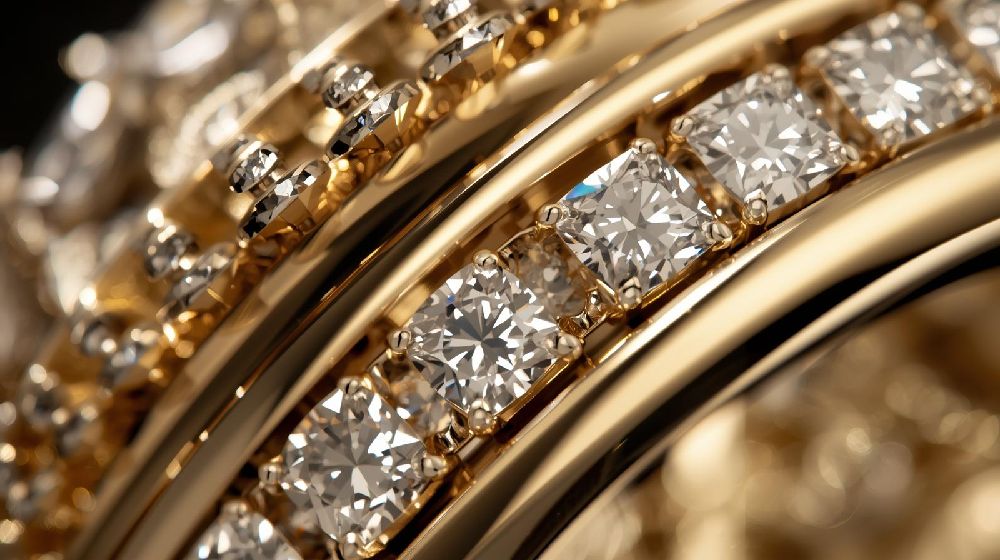
In premium jewelry, brilliance is not an accident—it is the result of precision, patience, and advanced polishing techniques. While design and craftsmanship form the foundation of a beautiful piece, polishing is what brings it to life. The mirror-like shine of gold, the smooth elegance of platinum, or the radiant glow of sterling silver are all achieved through highly refined finishing processes.
In today’s high-end jewelry manufacturing, polishing is both an art and a science, blending traditional hand skills with modern technology.
Why Polishing Matters in Premium Jewelry
Polishing does more than enhance appearance. It:
-
Enhances brilliance and light reflection
-
Smooths surfaces for comfort and wearability
-
Removes micro-scratches and imperfections
-
Improves resistance to tarnish and corrosion
-
Elevates perceived luxury and quality
In premium collections, even the smallest imperfection is unacceptable. That’s why advanced polishing methods are essential.
1. Multi-Stage Mechanical Polishing
Premium jewelry typically undergoes multiple polishing stages rather than a single buffing process.
Stage 1: Pre-Polishing
Coarser abrasive compounds remove casting marks, tool lines, and surface irregularities.
Stage 2: Fine Polishing
Finer compounds refine the surface and reduce micro-scratches.
Stage 3: High-Gloss Buffing
Ultra-soft buffs with specialized polishing compounds create a mirror finish.
Each stage uses different polishing wheels and compounds designed specifically for gold, platinum, or silver.
2. Micron-Level Surface Finishing
In high-end jewelry manufacturing, polishing precision is measured in microns.
Micron finishing ensures:
-
Even surface smoothness
-
Uniform shine across curved and flat surfaces
-
Minimal metal loss during polishing
This is particularly important for intricate designs such as CNC-crafted bangles, delicate chains, and detailed engravings where excessive polishing could distort fine elements.
3. Electro-Polishing Technology
Electro-polishing is a chemical process that smooths and brightens metal surfaces at a microscopic level.
How it works:
-
Jewelry is immersed in a specialized solution.
-
Controlled electrical currents remove microscopic peaks on the surface.
-
The result is a smoother, brighter, and more corrosion-resistant finish.
This technique is commonly used for:
-
Intricate designs
-
Hard-to-reach areas
-
Complex chain structures
Electro-polishing ensures uniform shine without excessive mechanical abrasion.
4. Laser-Assisted Surface Refinement
Laser technology is not only used for welding and engraving—it also plays a role in surface enhancement.
Laser-assisted finishing:
-
Removes minute imperfections
-
Refines edges without damaging surrounding areas
-
Preserves design sharpness
This is especially useful in premium collections where geometric precision and sharp detailing must remain intact.
5. Tumbling and Vibratory Finishing
For components like chains, charms, and small pendants, vibratory or rotary tumbling is used.
Jewelry pieces are placed in machines with:
-
Ceramic or steel media
-
Specialized polishing compounds
This process:
-
Smooths edges
-
Polishes internal surfaces
-
Prepares pieces for final buffing
It ensures consistency across large production batches while maintaining high standards.
6. Hand Polishing for Final Perfection
Even with advanced technology, hand polishing remains irreplaceable in premium jewelry.
Master polishers:
-
Adjust pressure based on metal softness
-
Protect delicate prongs and settings
-
Maintain symmetry in curved surfaces
-
Refine dual-tone and tri-tone textures
Hand finishing gives jewelry its final luxurious touch—something machines alone cannot replicate.
7. Specialized Finishes Beyond High Gloss
Premium jewelry doesn’t always aim for mirror shine. Advanced polishing also creates:
-
Satin finishes for subtle elegance
-
Matte textures for modern aesthetics
-
Brushed surfaces for contemporary appeal
-
Sandblasted effects for soft diffusion
-
Diamond-cut reflective patterns
Balancing glossy and matte textures in dual-tone or tri-tone jewelry enhances depth and visual contrast.
8. Protective Surface Treatments
After polishing, premium jewelry may undergo:
-
Rhodium plating for white gold brilliance
-
Anti-tarnish coatings for silver
-
Micro-plating for enhanced durability
These treatments lock in shine and protect the polished surface from daily wear.
Technology + Craft = Premium Finish
The most successful premium jewelry brands combine:
-
CNC precision
-
Laser technology
-
Micron finishing
-
Skilled hand polishing
-
Strict quality control
Every piece is inspected under magnification to ensure flawless surfaces before it reaches the customer.
The Impact on Customer Experience
When customers hold premium jewelry, they immediately notice:
-
Smoothness against the skin
-
Uniform shine
-
Crisp edges
-
Refined detailing
-
Long-lasting brilliance
Advanced polishing directly influences perceived value, comfort, and trust in the brand.
Final Thoughts
Advanced polishing techniques are what transform a crafted piece into a luxury masterpiece. From micron-level finishing and electro-polishing to hand-buffed brilliance, each step contributes to the final radiance.
In premium jewelry, shine is not just about reflection—it’s about precision, protection, and perfection.
Because in the world of fine jewelry, the smallest details create the biggest impression.
- advancedpolishing
- ,
- jewelrypolishing
- ,
- highpolishfinish
- ,
- mirrorfinishjewelry
- ,
- premiumjewelrycraft
- ,
- expertcraftsmanship
- ,
- #expertcraftsmanship
- ,
- #dvnjewelry
- ,
- precisionfinishing
- ,
- flawlesssurface
- ,
- modernjewelrymaking
- ,
- jewelrymanufacturing
- ,
- goldjewelrymanufacturing
- ,
- micronfinishing
- ,
- luxuryproduction
- ,
- cncjewelry
- ,
- luxuryjewelrystandards
- ,
- surfaceperfection
- ,
- refineddetails
- ,
- builttoperfection
- ,
- jewelryinnovation
- ,
- #jewelryinnovation
- ,
- #finejewelryexcellence
- ,
- nextgenjewelry