
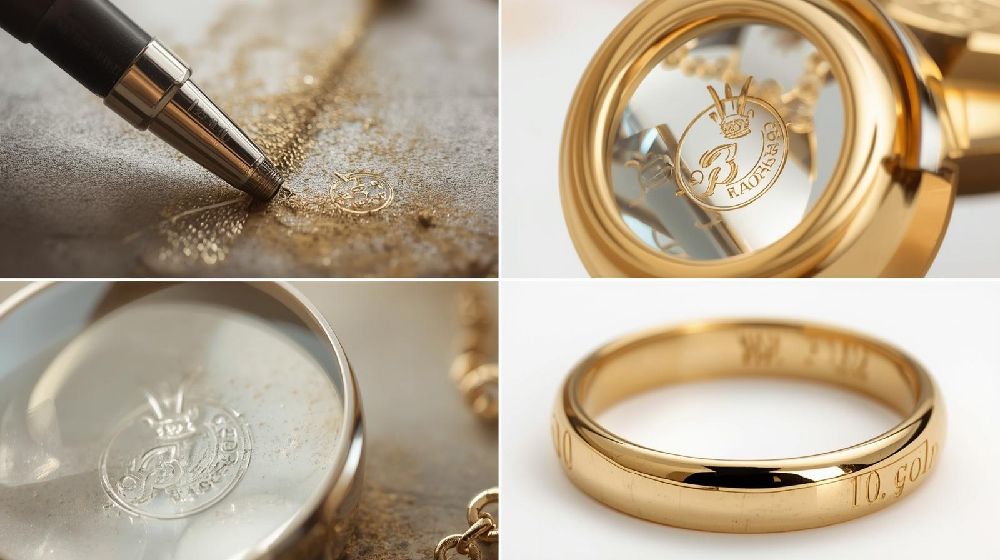
Gold jewelry is prized for its beauty, value, and timeless appeal. But with increasing options in the market, ensuring authenticity is more important than ever. This is where hallmarking comes into play. Hallmarking is the official stamp that guarantees the purity of gold, giving buyers confidence in their investment.
Understanding hallmarks helps you identify genuine jewelry, avoid fraud, and make informed purchases.
1. What Is Hallmarking?
Hallmarking is a certification process conducted by authorized agencies to verify the purity of gold. It assures that the gold content in a piece matches the stated karat, typically:
-
24K (pure gold)
-
22K
-
18K
-
14K
The hallmark is usually stamped discreetly on the jewelry, making it easy to spot for buyers.
2. Components of a Hallmark
A standard hallmark on gold jewelry includes:
-
Purity Mark / Fineness: Indicates the gold content, usually in karats (K) or parts per thousand (e.g., 916 for 22K)
-
Assay Office Mark: The mark of the certified lab or government-approved agency that tested the gold
-
Jeweler’s / Maker’s Mark: Identifies the manufacturer or brand
-
Optional Date / Symbol Marks: Some countries add extra codes to indicate origin or date
By reading these marks, you can verify authenticity and trace the source of your jewelry.
3. Why Hallmarking Matters
a. Guarantees Purity
Hallmarks ensure that the gold is genuine and matches the declared karat. This protects you from paying for inferior or adulterated gold.
b. Ensures Quality Standards
Hallmarking is conducted by certified labs with strict quality checks, including chemical tests, weight verification, and visual inspection.
c. Protects Your Investment
Gold is both jewelry and an investment. Hallmarked pieces retain their value and can be resold with confidence.
d. Builds Trust
Hallmarking strengthens transparency between jewelers and customers, giving buyers confidence in their purchase.
4. How to Identify Hallmarked Gold Jewelry
-
Look for small engraved stamps on the inner side of rings, bangles, necklaces, or pendants
-
Ensure the mark includes purity, assay office, and maker information
-
Compare with official hallmarking standards issued by your country (e.g., BIS in India, London Assay Office in the UK)
-
If in doubt, request certificates of authenticity from the jeweler
5. Additional Tips for Buyers
-
Avoid jewelry with faded, missing, or suspicious marks
-
Check for certificates accompanying hallmarking, especially for high-value pieces
-
Understand the difference between karat markings and plating markings; plated jewelry may be marked differently but is not solid gold
-
Buy from reputable jewelers who adhere to hallmarking regulations
6. Hallmarking Around the World
Different countries follow different standards:
-
India: Bureau of Indian Standards (BIS) hallmarking with 14K, 18K, 22K, and 24K marks
-
UK & Europe: Assay offices certify gold purity with traditional symbols
-
US: Hallmarking is not mandatory, but reputable jewelers often stamp karat marks
Understanding your region’s hallmarking system ensures safe and confident purchases.
Conclusion
Hallmarking is your guarantee of authenticity, quality, and investment security in gold jewelry. By learning how to identify and interpret hallmarks, you can buy with confidence, protect your investment, and enjoy your jewelry without worry.
Next time you shop for gold, remember: the small stamp speaks volumes about what you’re truly buying.