
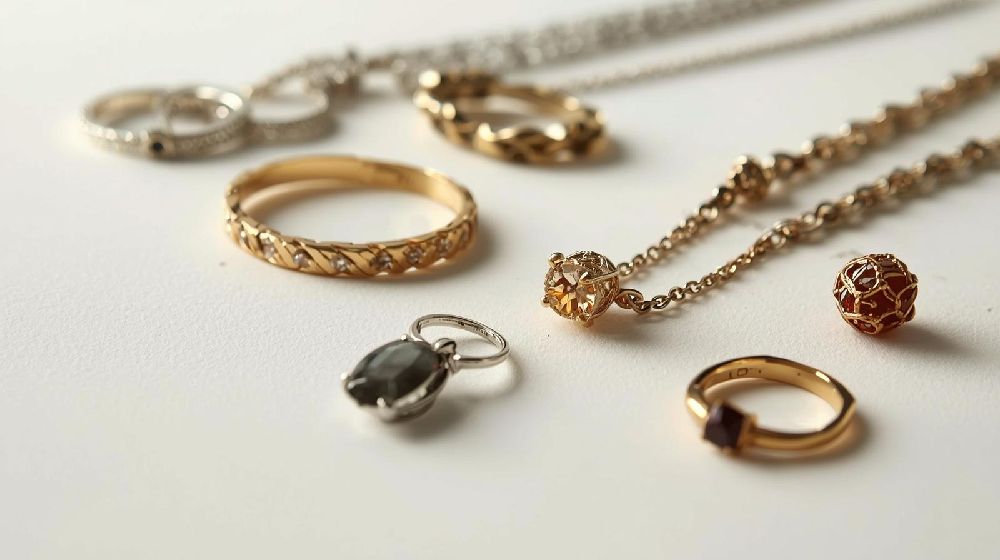
Jewelry is often designed to be worn and enjoyed every day. From wedding bands and gold chains to minimalist studs and bracelets, daily-wear pieces become part of our personal style and routine. However, constant exposure to movement, friction, moisture, and environmental factors can gradually impact their durability.
Understanding how daily wear affects jewelry helps ensure long-lasting beauty and structural integrity.
The Impact of Friction and Physical Contact
One of the biggest factors affecting jewelry durability is friction. Rings rub against surfaces while typing, lifting objects, or gripping items. Bracelets and bangles frequently hit desks and hard surfaces. Chains experience tension and movement throughout the day.
Over time, this can cause:
-
Surface scratches
-
Gradual thinning of metal
-
Loosening of clasps
-
Reduced shine
While minor scratches are normal, excessive friction can weaken delicate areas such as prongs and thin bands.
Exposure to Moisture and Chemicals
Daily exposure to water, soap, lotions, perfumes, and cleaning products can impact jewelry condition. Although gold is resistant to corrosion, alloys mixed with gold (in 18K or 22K jewelry) may react slightly to chemicals over time.
Common effects include:
-
Dull surface appearance
-
Tarnish in lower-karat or silver pieces
-
Weakening of soldered joints
-
Reduced plating longevity
Removing jewelry before swimming, showering, or cleaning can significantly extend its lifespan.
Sweat and Skin Contact
Natural body oils and sweat can accumulate on jewelry surfaces. While this does not usually damage gold directly, it can:
-
Build up residue
-
Affect gemstone brilliance
-
Accelerate tarnish in silver jewelry
Regular cleaning helps maintain shine and hygiene.
Structural Stress on Settings
Daily wear particularly affects gemstone settings. Prongs holding stones can gradually loosen due to:
-
Impact from accidental knocks
-
Constant pressure
-
Repeated bending or stress
Loose settings may eventually lead to stone loss if not checked periodically. Routine inspections help prevent such risks.
Metal Softness and Karat Levels
The durability of jewelry also depends on metal composition. Higher-karat gold (such as 22K) contains more pure gold, which is softer and more prone to scratches. Lower-karat gold (like 18K) includes stronger alloys that enhance durability.
Understanding metal properties helps consumers choose the right jewelry for everyday use.
Chain and Clasp Wear
Chains and clasps endure repeated opening, closing, and tension. Over time, this can result in:
-
Weak or bent clasps
-
Chain stretching
-
Link distortion
High-quality manufacturing and regular maintenance reduce these risks.
Surface Finish Changes
Polished finishes may lose their mirror shine with daily use. Matte or textured surfaces may become smoother over time due to friction.
This natural aging process is not necessarily damage—it often adds character. However, professional polishing can restore original brilliance when desired.
The Role of Craftsmanship
Well-crafted jewelry withstands daily wear better than poorly constructed pieces. Quality craftsmanship ensures:
-
Balanced weight distribution
-
Strong soldering
-
Secure stone settings
-
Reinforced prongs
Investing in high-quality jewelry reduces long-term repair costs and enhances longevity.
Preventive Care for Long-Lasting Jewelry
Simple habits can extend durability:
-
Remove jewelry during heavy physical activity
-
Avoid exposure to harsh chemicals
-
Store pieces separately to prevent scratching
-
Clean regularly with gentle methods
-
Schedule periodic professional inspections
Proper care significantly reduces wear-related damage.
Natural Aging vs. Damage
It’s important to distinguish between natural aging and structural damage. Minor scratches and slight dullness are normal for daily-wear jewelry. Structural issues like bent prongs, cracks, or loose stones require prompt attention.
Professional maintenance ensures small concerns don’t become major problems.
Final Thoughts
Daily wear inevitably affects jewelry durability, but the extent depends on metal quality, craftsmanship, and care habits. Fine jewelry is designed to be worn and enjoyed—small signs of use reflect memories and experiences.
With proper maintenance and mindful usage, everyday jewelry can retain its beauty and strength for decades, becoming both a lasting accessory and a cherished part of your story.
- daily wear jewelry
- ,
- comfortable daily wear jewelry
- ,
- gold jewelry care
- ,
- gold jewelry care by season
- ,
- sterling silver care
- ,
- wear and tear in jewelry
- ,
- laserjewelry
- ,
- long-lasting jewelry
- ,
- jewelry maintenance tips
- ,
- gold strength and purity
- ,
- scratch-resistant jewelry
- ,
- durable jewelry design
- ,
- everyday jewelry guide
- ,
- cncjewelry
- ,
- jewelry longevity
- ,
- fine jewelry care
- ,
- metal hardness in jewelry
- ,
- quality craftsmanship
- ,
- tarnish prevention
- ,
- gold vs silver durability
- ,
- practical jewelry choices