
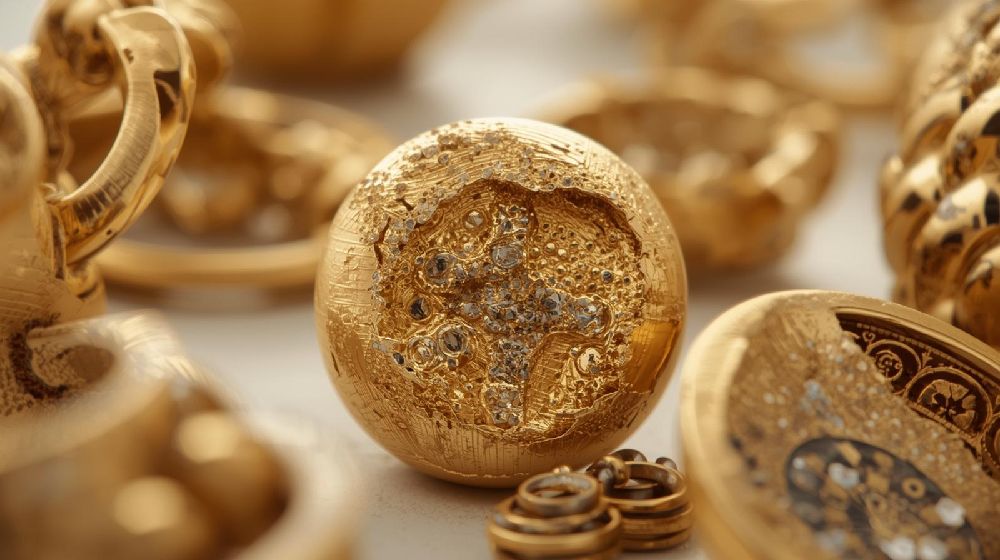
Gold jewelry is known for its durability and long-lasting beauty, but even the finest gold pieces can develop damage over time if not inspected regularly. Identifying early signs of wear can help prevent costly repairs, preserve beauty, and extend the life of your jewelry.
1. Look for Changes in Shape
One of the earliest signs of damage is loss of shape. Rings may become oval instead of round, bangles may lose symmetry, and chains may stretch unevenly.
Watch for:
-
Rings that no longer sit straight on the finger
-
Bangles that feel slightly warped
-
Chains that appear elongated or uneven
Early reshaping can prevent cracking or breakage later.
2. Check for Fine Cracks and Hairline Fractures
Small cracks are often invisible unless closely inspected. These typically appear at stress points such as ring bases, clasps, or bangle joints.
How to spot them:
-
Hold jewelry under strong light
-
Use a magnifying glass or phone zoom
-
Look near joints, hinges, and locks
Detecting cracks early helps avoid sudden breakage.
3. Examine Clasps, Locks & Hinges
Clasps are one of the most vulnerable parts of gold jewelry. Weak springs or loose hinges can lead to accidental loss.
Warning signs include:
-
Clasps that don’t snap shut firmly
-
Hinges that feel loose or stiff
-
Bangles that open too easily
Regular clasp checks are essential for chains, bracelets, and openable bangles.
4. Notice Excessive Scratches or Thinning
Minor scratches are normal, but deep scratches or thinning areas indicate metal fatigue.
Check:
-
The bottom of rings
-
Edges of bangles
-
Links in frequently worn chains
If the gold feels thinner in certain areas, it may be time for reinforcement.
5. Watch for Loose Stones or Settings
Stone-set jewelry often shows damage first around prongs or bezels.
Early warning signs:
-
Stones that move slightly when touched
-
Prongs that appear bent or worn
-
Gaps between stone and setting
Loose stones should be fixed immediately to prevent loss.
6. Observe Color or Finish Changes
Although gold doesn’t rust, changes in color can indicate surface wear or plating damage.
Possible causes:
-
Fading rhodium plating on white gold
-
Uneven polish from daily friction
-
Dull patches caused by contact with chemicals
Early refinishing restores both appearance and protection.
7. Listen for Unusual Sounds
This may sound surprising, but rattling sounds from stone-set jewelry or clasps can signal internal looseness.
Gently shake the piece near your ear and listen carefully.
8. Feel for Rough or Sharp Edges
Run your fingers gently over the jewelry. Rough edges or sharp points may indicate cracks or worn prongs that need attention.
9. Monitor Comfort While Wearing
Jewelry that suddenly feels uncomfortable may be damaged.
Be alert if:
-
Rings snag on fabric
-
Chains twist unnaturally
-
Bangles pinch skin
Discomfort often signals structural changes.
10. Schedule Regular Professional Inspections
Even with careful self-checks, professional inspection is essential. Jewelers use magnification and testing tools to detect micro-damage invisible to the eye.
Recommended frequency:
-
Daily wear jewelry: once a year
-
Heirloom or stone-set pieces: every 6 months
Final Thoughts
Early detection is the key to preserving gold jewelry’s beauty, strength, and value. A few minutes of regular inspection can prevent irreversible damage and protect your investment for years to come. Gold jewelry lasts a lifetime—but only when it’s cared for wisely.