
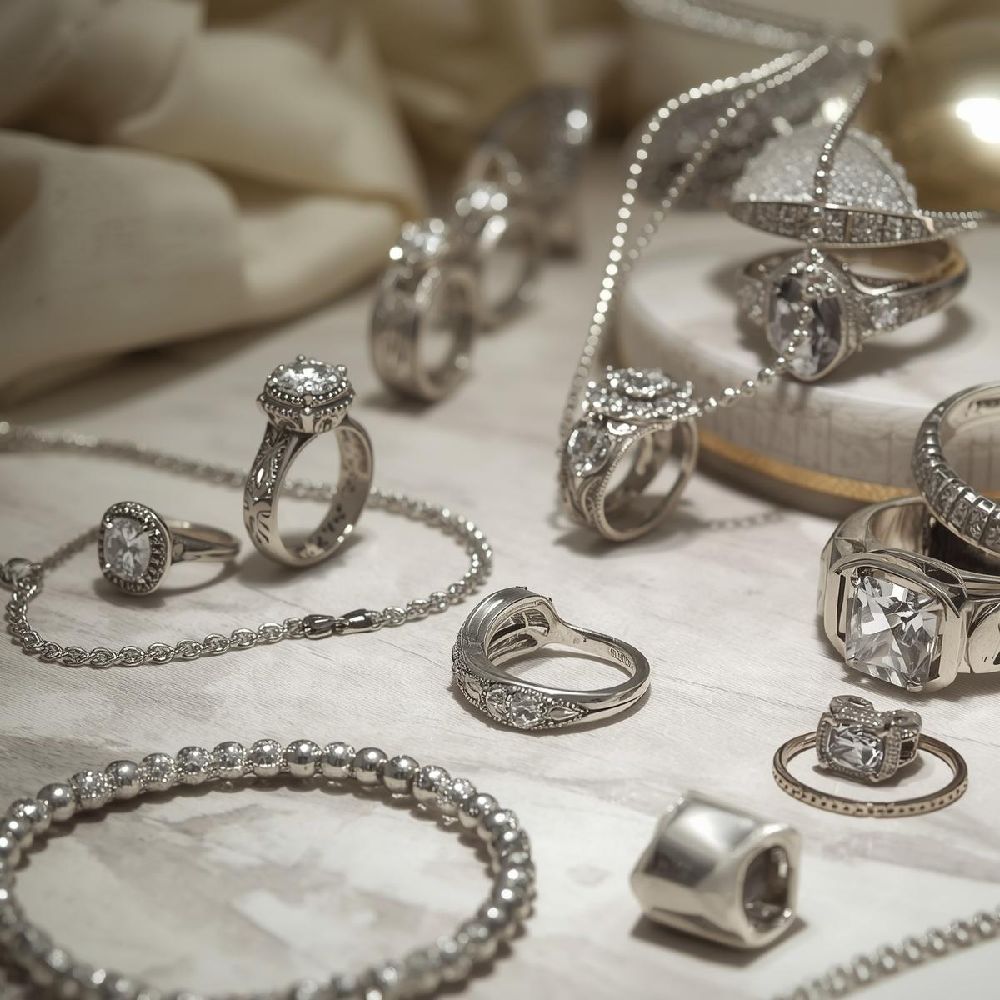
Sterling silver jewelry is admired for its elegant shine, versatility, and affordability. However, with many imitations and silver-plated alternatives in the market, knowing how to identify real sterling silver is essential. Understanding a few key signs can help you shop with confidence and ensure you’re investing in genuine, high-quality jewelry.
What Is Sterling Silver?
Sterling silver is an alloy made of 92.5% pure silver and 7.5% other metals, usually copper. This blend enhances durability while maintaining silver’s natural beauty. Authentic sterling silver jewelry is often marked with a “925”, “SS”, or “Sterling” stamp.
Check the Hallmark or Stamp
One of the easiest ways to identify real sterling silver is by checking for official markings:
-
925 – Indicates 92.5% pure silver
-
SS – Short for sterling silver
-
Sterling – Confirms the silver standard
These marks are typically found on clasps, inner ring bands, or the back of pendants. While the absence of a stamp doesn’t always mean fake, its presence is a strong indicator of authenticity.
Perform a Magnet Test
Real sterling silver is not magnetic. Place a strong magnet near the jewelry—if it sticks firmly, it likely contains non-silver metals. A slight movement is normal, but strong attraction usually signals imitation or silver-plated jewelry.
Observe Color and Shine
Genuine sterling silver has a soft, white-gray shine rather than a mirror-like chrome finish. Over time, it may develop a natural patina, which is a sign of authenticity—not a flaw. Jewelry that looks overly shiny or too perfect may be plated rather than solid sterling silver.
Smell the Jewelry
Sterling silver has no strong odor. If the jewelry smells metallic or like copper, it may contain base metals. This simple sensory test can quickly help detect fakes.
Look for Tarnishing (Yes, It’s a Good Sign)
Unlike stainless steel or white gold, real sterling silver can tarnish when exposed to air and moisture. This tarnish is usually dark gray or black and can be easily cleaned. Jewelry that never tarnishes may be silver-plated or made from other metals.
Check Weight and Feel
Sterling silver feels solid and slightly heavier than imitation metals. If a piece feels unusually light for its size, it may not be genuine silver.
Professional Testing Methods
For complete assurance, jewelers use advanced testing methods such as:
-
Acid testing to verify silver content
-
XRF (X-ray fluorescence) testing for non-destructive accuracy
These tests are ideal for high-value pieces or bulk purchases.
Buy from Trusted Sellers
The safest way to ensure authenticity is to purchase from reputable jewelers or brands that provide certifications, transparent sourcing, and quality guarantees. Trusted manufacturers also use precision techniques that preserve silver’s integrity and finish.
Conclusion
Identifying real sterling silver jewelry doesn’t require expert knowledge—just awareness. By checking hallmarks, testing magnetism, observing color and weight, and buying from reliable sources, you can confidently choose genuine sterling silver. Authentic silver not only looks beautiful but also lasts longer, making it a timeless and worthwhile investment.