
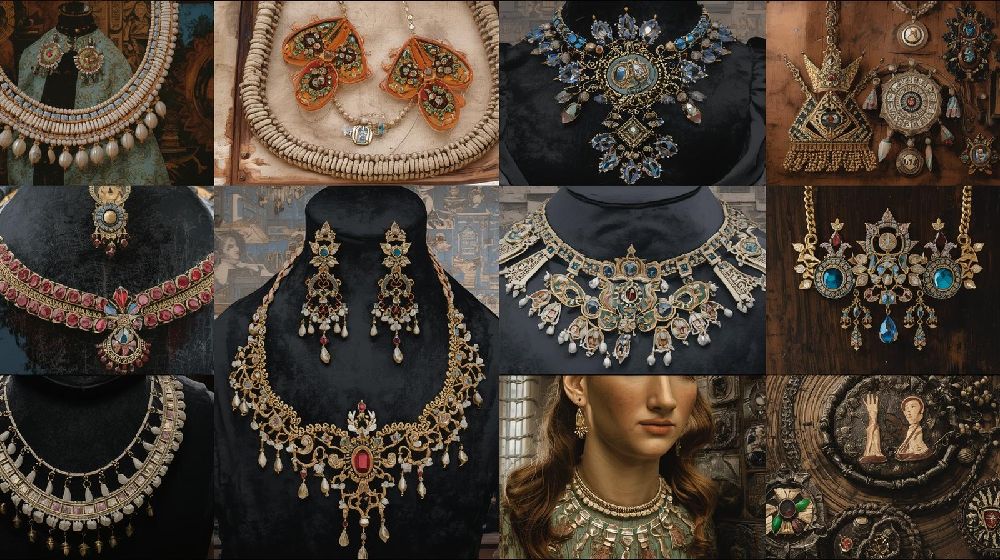
The Power, Prestige & Meaning Behind Adornments Across Civilizations
Jewelry is more than decoration. Across history, it has stood as a universal symbol of status, wealth, identity, and power. Whether made of gold, gemstones, shells, or beads, jewelry has always held deeper meaning. This cultural study explores why jewelry became — and remains — one of the strongest indicators of social status around the world.
1. Jewelry as the Earliest Form of Wealth
Long before banks or currency existed, people stored wealth in the form of jewelry.
-
Gold could be carried easily
-
It never tarnished or lost value
-
It could be exchanged for goods instantly
In ancient times, owning jewelry meant economic security, something only the wealthy could afford. This naturally elevated jewelry to a status symbol.
2. Royalty & Power Have Always Been Linked to Gold
Throughout history, kings, queens, and rulers showcased their authority through extravagant jewelry.
Examples from world cultures:
-
Egyptian pharaohs wore gold collars, scarab pendants, and jeweled crowns to symbolize divinity.
-
Indian kings and queens adorned themselves with layers of gold necklaces, anklets, and studs to reflect prosperity and strength.
-
European monarchs used crowns, scepters, and brooches embedded with diamonds and emeralds as signs of royal hierarchy.
-
Chinese dynasties considered jade and gold ornaments a mark of noble lineage.
Where power existed, jewelry followed.
3. A Visual Marker of Social Rank
Jewelry has historically separated classes:
-
Higher classes wore precious metals and gemstones
-
Middle classes wore silver, brass, or lighter designs
-
Lower classes wore beads, shells, or natural materials
In many cultures, specific types of jewelry — like temple jewelry in South India or ceremonial necklaces in Africa — were reserved only for certain families, clans, or royalty.
This exclusivity created a clear visual divide.
4. Jewelry as a Global Bridal Tradition
Marriage ceremonies worldwide use jewelry to represent family status, cultural pride, and generational wealth.
Examples:
-
Indian brides wear heavy gold as a sign of security and blessing.
-
Middle Eastern brides are gifted gold coins and chokers symbolizing prosperity.
-
Western brides wear diamonds as a symbol of eternal love and commitment.
Bridal jewelry isn’t just fashion—it's identity + heritage + status combined.
5. Jewelry as a Cultural Language
Many traditional communities use jewelry to express:
-
Age
-
Marital status
-
Spiritual beliefs
-
Community rank
-
Ancestral identity
For example:
-
Maasai warriors in Africa wear beaded collars to show courage & achievements.
-
Native American tribes use turquoise jewelry for spiritual protection and honor.
-
Indian families pass down gold jewelry as a sign of lineage and prestige.
Jewelry becomes a cultural code, speaking without words.
6. The Psychological Impact: Why Jewelry Feels Powerful
Jewelry boosts confidence because it represents:
-
Achievement
-
Self-value
-
Personal expression
-
Financial success
-
Emotional connection
Wearing jewelry makes people feel important, elegant, and respected. This psychological association has kept jewelry tied to status for centuries.
7. Modern Times: Jewelry as a Lifestyle Statement
Even today, jewelry continues to signal status — but in new ways.
Modern status symbols:
-
Minimalist gold chains show refined taste
-
Designer pieces signal luxury
-
Custom jewelry reflects individuality
-
Diamond solitaires highlight success
-
Branded bangles & bracelets connect to lifestyle identity
From celebrities to influencers, jewelry remains central to expressing prestige and success.
8. The Financial Value Behind the Status
Gold and diamond jewelry still represent strong financial value.
-
Gold is a global investment
-
Jewelry is passed down as family wealth
-
Precious stones appreciate over time
-
Branded jewelry carries high resale value
This financial strength reinforces its cultural power as a status symbol.
Conclusion
Jewelry has always been much more than ornamentation.
It is history, culture, power, identity, wealth, and emotion crafted into wearable art.
From royal crowns to modern gold chains, jewelry continues to be a universal language of status — evolving with society yet retaining its timeless significance.