
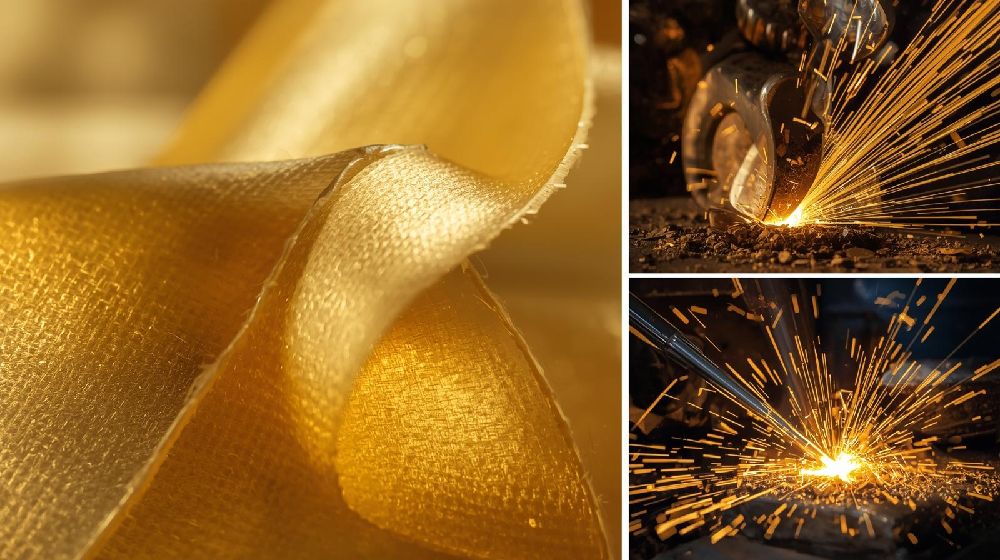
Gold has long been admired for its beauty, rarity, and resistance to tarnish. However, one surprising fact about gold is that pure gold is naturally soft. This characteristic plays a crucial role in how gold jewelry is designed, manufactured, and worn. Understanding why pure gold is soft—and how jewelers strengthen it—helps consumers make smarter choices when buying gold jewelry.
Why Pure Gold Is Naturally Soft
Pure gold, known as 24K gold, has a simple atomic structure that allows its atoms to slide easily over one another. This makes gold extremely malleable and ductile. In fact, a single gram of gold can be stretched into a sheet covering several square meters.
While this softness allows for exceptional craftsmanship, it also means pure gold:
-
Scratches easily
-
Bends under pressure
-
Loses shape over time
Because of these properties, pure gold is impractical for most daily-wear jewelry.
The Role of Alloys in Strengthening Gold
To make gold suitable for jewelry, it is mixed with other metals called alloys. These metals change the atomic structure of gold, making it harder and more durable while preserving its beauty.
Common alloy metals include:
-
Copper: Adds strength and warmth to the color
-
Silver: Improves hardness while maintaining brightness
-
Zinc or Nickel: Enhances durability and wear resistance
The proportion of gold to alloy determines the karat value of the jewelry.
How Different Karats Improve Strength
-
22K Gold (91.6% gold): Slightly stronger than pure gold, suitable for traditional jewelry with careful wear.
-
18K Gold (75% gold): A popular choice for modern jewelry, offering an excellent balance of strength and elegance.
-
14K Gold (58.5% gold): Highly durable and ideal for daily-wear rings, bangles, and bracelets.
Lower karat gold contains more alloy metals, making it harder and more resistant to everyday wear.
Modern Techniques That Enhance Durability
Beyond alloying, jewelers use advanced techniques to further strengthen gold jewelry:
-
Heat treatment: Improves metal structure and durability
-
CNC and laser welding: Ensures precision and stronger joints
-
Rhodium plating: Adds surface hardness and scratch resistance
These innovations allow jewelry to maintain its shape and finish even with frequent use.
Balancing Beauty and Strength
Strengthening gold is not about compromising its elegance—it’s about enhancing its practicality. By carefully selecting alloys and manufacturing techniques, jewelers create pieces that retain gold’s timeless appeal while standing up to daily wear.
Conclusion
Pure gold’s softness is a natural property that makes it beautiful but fragile. Through alloying and advanced craftsmanship, gold is transformed into durable jewelry suitable for everyday life. Understanding this process helps buyers choose pieces that combine luxury, longevity, and comfort—ensuring their gold jewelry remains as stunning as the day it was made.